Why the Same Roof Leak Can Return
A leak that comes back after a patch is frustrating, but it does not have one universal cause. The patch might have covered the wrong spot, the connection might have failed or the surrounding roof might have deteriorated.
At Chickasha Roof Pros, we start with the water path and the material around it. If the same area is wet again, a free inspection can help establish the work rather than adding another layer of sealant by default.
The patch and the water path
The place where water drips indoors is not necessarily the place it entered. Rain can move along roof decking or a rafter before it reaches the ceiling. It can also enter at a wall or opening above the stain. That gives a surface patch a deceptively simple target: the wet spot is easy to see, while the route above it is concealed.
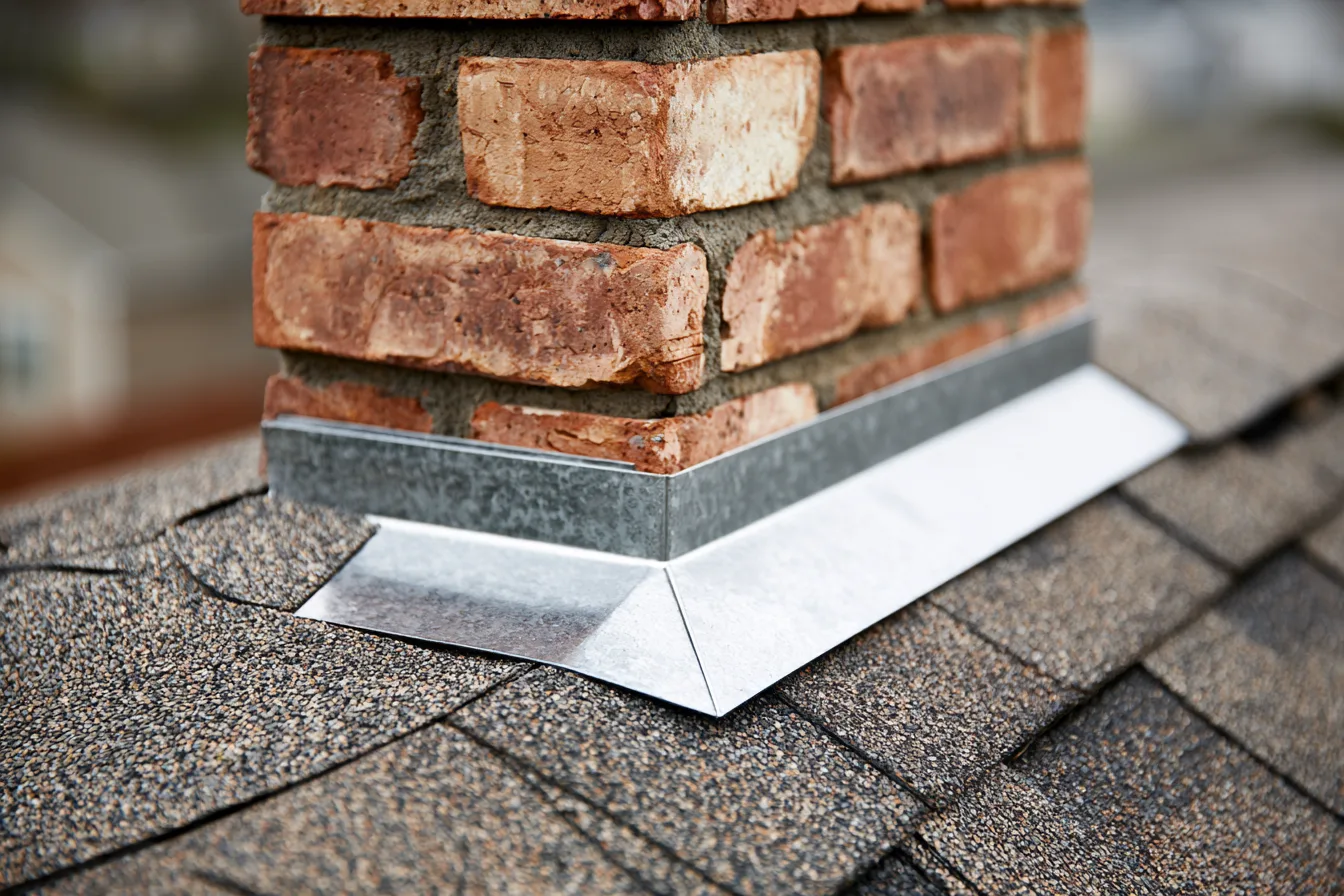
A repair needs to follow that route to the failed detail. A split pipe collar needs a different connection from loose chimney counterflashing. Covering the stain’s location on the outside can leave either opening untouched.
The surrounding roof has to take the repair
Consider a failed vent boot in a shingle roof. Its rubber collar can split while the metal base remains beneath the shingle courses. Replacing the collar or boot still requires the surrounding roofing to remain workable and the flashing to shed water into the courses below it. If lifting the shingles breaks them, the scope expands.
The same principle applies underneath. Wet underlayment or damaged wood has to be addressed before new material closes the roof. A repair that stops at the surface can leave an unstable connection below it. That is a reason to explain the wider repair, not a reason to jump automatically to a whole new roof.
Three reasons a leak can return
These are different explanations. The current roof findings determine which applies.
Temporary cover has a different job
Temporary protection can be the right first work when a roof is exposed or water is entering and conditions do not allow permanent repairs. Its job is to limit further exposure. A tarp or temporary patch should not be judged as though it were the rebuilt roof detail.
If water is coming in now, call and say so. Keep people away from sagging ceilings and wet electrical fittings. Do not climb onto a wet roof to find the opening. Tell us what you already noticed; the roofing assessment carries the diagnostic work.
Get the roof connection checked
A returning leak deserves an explanation of what failed and how the new work connects. Our roof leak repair page develops that scope, including boots, walls, valleys and concealed layers.
Chickasha Roof Pros can help you understand whether the roof needs one corrected connection or wider work. Request a free inspection and tell us where the water has appeared.
Get Help with a Returning Roof Leak
Tell us where water is returning and roughly when you noticed it. Request a free inspection so the roof repair starts with the water path.